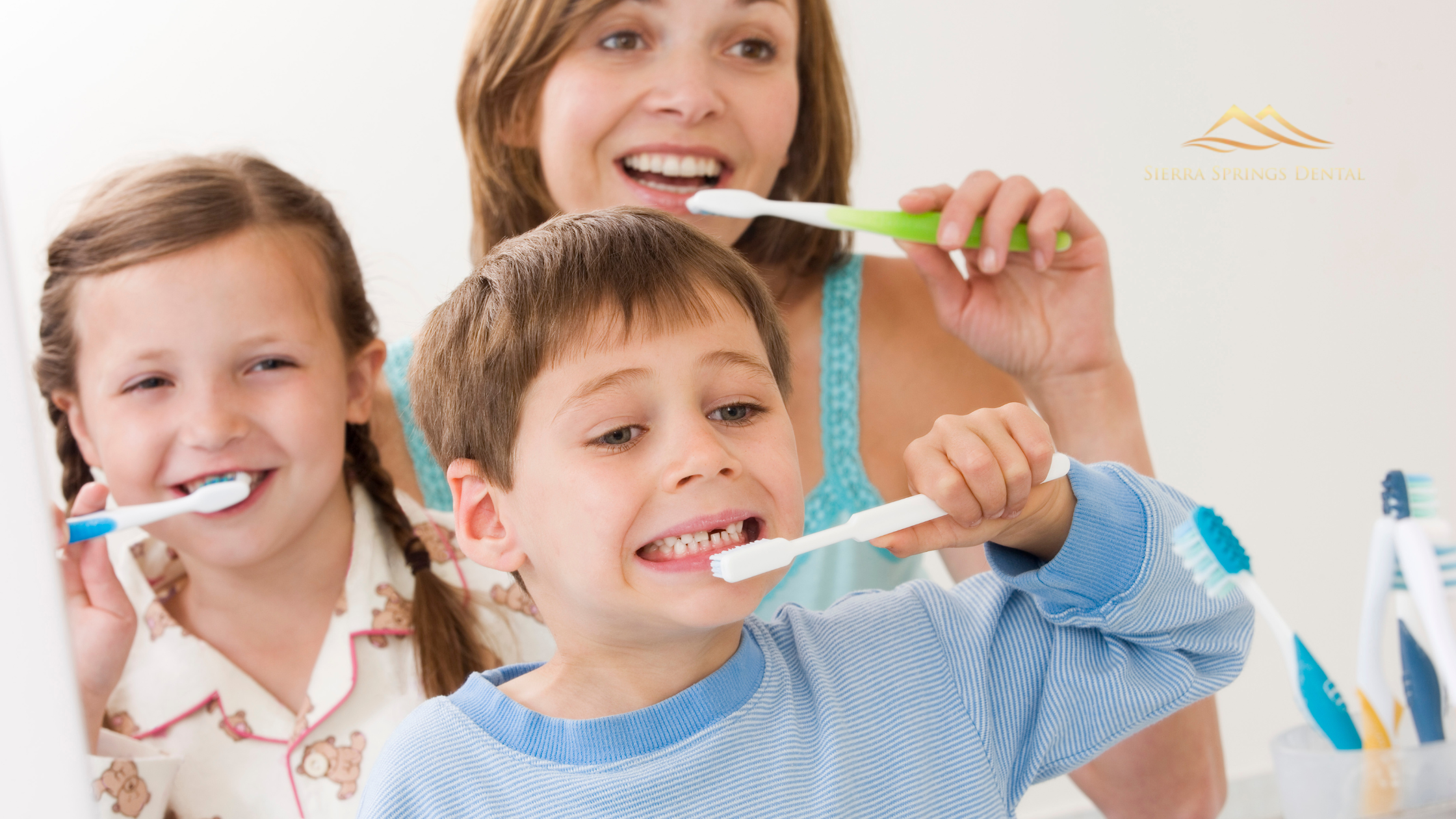
With the morning routine setting the tone for your day, you may wonder whether to brush your teeth before or after breakfast. Brushing before breakfast can help remove plaque and bacteria that build up overnight, while brushing after breakfast can protect against cavity-causing acids found in food.
However, brushing immediately after eating—especially after consuming acidic foods—can expose softened enamel to damage. Understanding the pros and cons of each approach is necessary for maintaining optimal oral health, so let’s explore what works best for you.
Key Takeaways:
- Brushing after breakfast can help remove food particles and acids that contribute to plaque buildup.
- Brushing before breakfast can help protect teeth by applying fluoride from toothpaste, potentially preventing damage from acidic foods.
- The timing of brushing may vary based on individual routines and preferences, so finding what works best for you is important.
The Importance of Oral Hygiene
Your oral hygiene is necessary for maintaining not only a bright smile but also your overall health. A strong oral care routine can prevent dental issues such as cavities, gum disease, and bad breath.
By taking the time to care for your teeth and gums, you set yourself up for better health outcomes in the long run. Prioritizing your oral hygiene ensures that you remain confident and free of dental pain, making daily life much more enjoyable.
“Your mouth is often called the gateway to the body for a reason—poor oral hygiene doesn’t just affect your smile but can also influence your immunity, digestion, and even your energy levels throughout the day.” – Dr. Wayne Young
Benefits of Brushing Teeth
About brushing your teeth regularly: Brushing your teeth regularly helps remove plaque, prevent cavities, and combat bad breath. When you brush twice a day, you significantly reduce your risk of developing serious dental issues.
Additionally, freshening your mouth daily sets a positive tone for your overall health, boosting your confidence and encouraging you to smile more often.
Risks of Poor Oral Hygiene
At the heart of oral hygiene lie the significant risks associated with neglecting it. Poor oral care can lead to serious consequences, including gum disease, tooth decay, and an increased risk of systemic conditions such as cardiovascular disease.
“Keeping your gums healthy is particularly important because gum inflammation is linked to systemic conditions like diabetes and heart disease, proving that your oral health is deeply connected to your overall wellness.” – Dr. Wayne Young
You may also experience chronic bad breath and tooth loss, which can seriously impact your social interactions and overall quality of life. It’s necessary to be proactive; investing in your oral health today saves you from painful and costly procedures in the future.
Oral hygiene should never be overlooked, as neglecting it can lead to severe complications. Without proper care, bacteria can thrive in your mouth, leading to gum disease, which not only affects your teeth but can also significantly impact your overall health by increasing the risk of conditions like heart disease and diabetes.
Furthermore, persistent dental issues can cause pain and discomfort, affecting your daily activities and well-being. Taking care of your teeth is not just about keeping them clean; it’s about ensuring long-term health and preventing the need for more invasive treatments later on.
Brushing Before Breakfast
While many people consider brushing their teeth after breakfast, brushing before the meal is also a popular choice. This practice can help remove plaque and bacteria that have built up overnight, ensuring your mouth is clean and fresh before you start your day.
Moreover, it can prevent the mixing of food particles with harmful bacteria, contributing to better oral health throughout the day.
Advantages
Advantages of brushing before breakfast include a cleaner mouth that enhances your overall hygiene and prevents unpleasant odors. It also helps in preventing the buildup of plaque and tartar, promoting healthier gums and teeth.
By starting the day with clean teeth, you can enjoy your breakfast without the worry of food particles lingering in your mouth.
Disadvantages
Breakfast can pose challenges if you brush beforehand, as certain foods may contain sugars or acids that can weaken your enamel.
Brushing before breakfast does not directly damage enamel. However, if you eat acidic foods afterward, your enamel may become temporarily softened, so avoid brushing again immediately after eating.
This increased vulnerability can lead to higher risks of tooth erosion over time. Additionally, brushing can temporarily make your teeth more sensitive to these acidic foods, affecting your overall breakfast experience. Therefore, it’s important to weigh these considerations when deciding to brush before breakfast.
Brushing After Breakfast
All dental care routines vary, but brushing after breakfast can be beneficial in maintaining good oral hygiene. This practice helps remove food particles and reduces plaque build-up, ultimately leading to fresher breath throughout the day.
Additionally, it ensures that your mouth feels clean and healthy as you start your day, promoting a sense of well-being.
Advantages
An advantage of brushing after breakfast is that it allows you to effectively eliminate any food debris left in your mouth. This can lead to less plaque formation and better overall oral health.
Plus, brushing post-meal can enhance your dental care by removing stains caused by certain foods or drinks.
Disadvantages
When brushing after breakfast, it’s important to consider that it can sometimes cause harm if you brush immediately after consuming acidic foods or beverages. Acidic items, like citrus fruits or coffee, can weaken tooth enamel, and brushing too soon might damage it. You might want to wait at least 30 minutes after eating to avoid this risk.
“If you’re a fan of citrus or other acidic breakfast options, try rinsing your mouth with water or chewing sugar-free gum to neutralize acids before brushing—it’s a simple step that can help protect your enamel.” – Dr. Wayne Young
Breakfast foods, especially those that are acidic, can temporarily soften your enamel. If you brush right after eating, you might inadvertently wear down the enamel, leading to long-lasting dental issues.
Instead, it is advisable to rinse your mouth with water or wait before reaching for your toothbrush. By being mindful of these factors, you can better protect your teeth and ensure that your oral health remains optimal.
Expert Recommendations
Not all dental professionals are in agreement about whether you should brush before or after breakfast. Some advise brushing your teeth before eating to eliminate overnight bacteria, while others suggest doing so afterward to remove any food particles.
Ultimately, it’s best to consult your dentist for personalized guidance tailored to your specific oral health needs.
Dental Professional Opinions
With various opinions in the dental community, some professionals recommend brushing before breakfast to prevent plaque buildup, while others advocate for brushing after eating to protect against tooth decay from sugars and acids present in many breakfast foods. Your choice may depend on your oral health and dietary habits.
Common Myths
Below are several myths regarding the timing of brushing your teeth that you may encounter.
Some believe you must wait a full hour after eating to brush your teeth. Although experts recommend waiting 30–60 minutes after acidic foods, you don’t necessarily need to wait this long unless your meal was particularly acidic.
While it is true that brushing too soon can harm your enamel, particularly after consuming acidic foods, it’s important not to delay your dental hygiene routine for too long.
Additionally, there is a belief that brushing before breakfast eliminates the need to brush afterward. In reality, this may not be sufficient to maintain optimal oral health, and you may still need to brush again to thoroughly clean your mouth after eating. Be sure to assess your situation and consult your dentist for advice that suits your unique dental needs.
Other Factors to Consider
After weighing the benefits of brushing before or after breakfast, it’s crucial to consider other factors that could impact your oral health. Factors like your daily routine, oral hygiene products used, and specific dental conditions can influence your final decision.
- Daily routine
- Oral hygiene products
- Dental conditions
- Time constraints
- Personal preference
After evaluating these factors, you’ll be better prepared to make the right choice for your morning routine.
Types of Food Consumed
Consumed during breakfast, the type of food you eat can play a key role in deciding when to brush. Different foods can contribute to plaque buildup or tooth erosion, impacting oral health.
- Sugary foods
- Acidic foods
- Hard foods
- Soft foods
- Fibrous foods
This awareness can guide you in the best practices for maintaining your dental hygiene effectively.
| Food Type | Consideration |
| Sugary foods | Can lead to cavities |
| Acidic foods | May weaken enamel |
| Hard foods | Hard foods may cause chipping or wear on dental restorations. |
| Soft foods | Less abrasive |
| Fibrous foods | Can help clean teeth |
Personal Dental Health
Your dental health ultimately plays a significant role in determining when to brush your teeth. Individual factors such as your oral care routine, existing dental conditions, and any recent treatments can impact your brushing habits.
But if you have issues like tooth sensitivity or gum disease, it’s vital to consult your dentist about the best routine for you. Adequate oral hygiene, combined with professional recommendations, can help maintain your smile’s health.
Also, certain medications may increase the risk of oral complications, making it important to understand how they influence your dental care. Your unique situation will guide you to the best practices for optimal oral health.
Final Thoughts
Now, you have a better understanding of the pros and cons of brushing before and after breakfast. Brushing before breakfast helps reduce overnight bacterial buildup and protects your teeth with fluoride before food exposure.
It’s important to consider your routine and dental health needs.
Ultimately, maintaining a consistent oral hygiene habit that works for you is crucial.
Whether you choose to brush before or after, ensure you’re using fluoride toothpaste and visiting your dentist regularly for optimal dental care.
Have questions about your morning brushing routine or other dental care habits? The team at Sierra Springs Dental is here to help.
Whether you need personalized advice or are ready to schedule your next dental check-up, we’re just a message or call away.
Contact us today to speak with our friendly team or book an appointment.
Reviewed by: Dr. Wayne Young
Have Questions? We Are Here to Help.
Our team at Sierra Springs Dental is ready to answer your questions and provide the care you need.