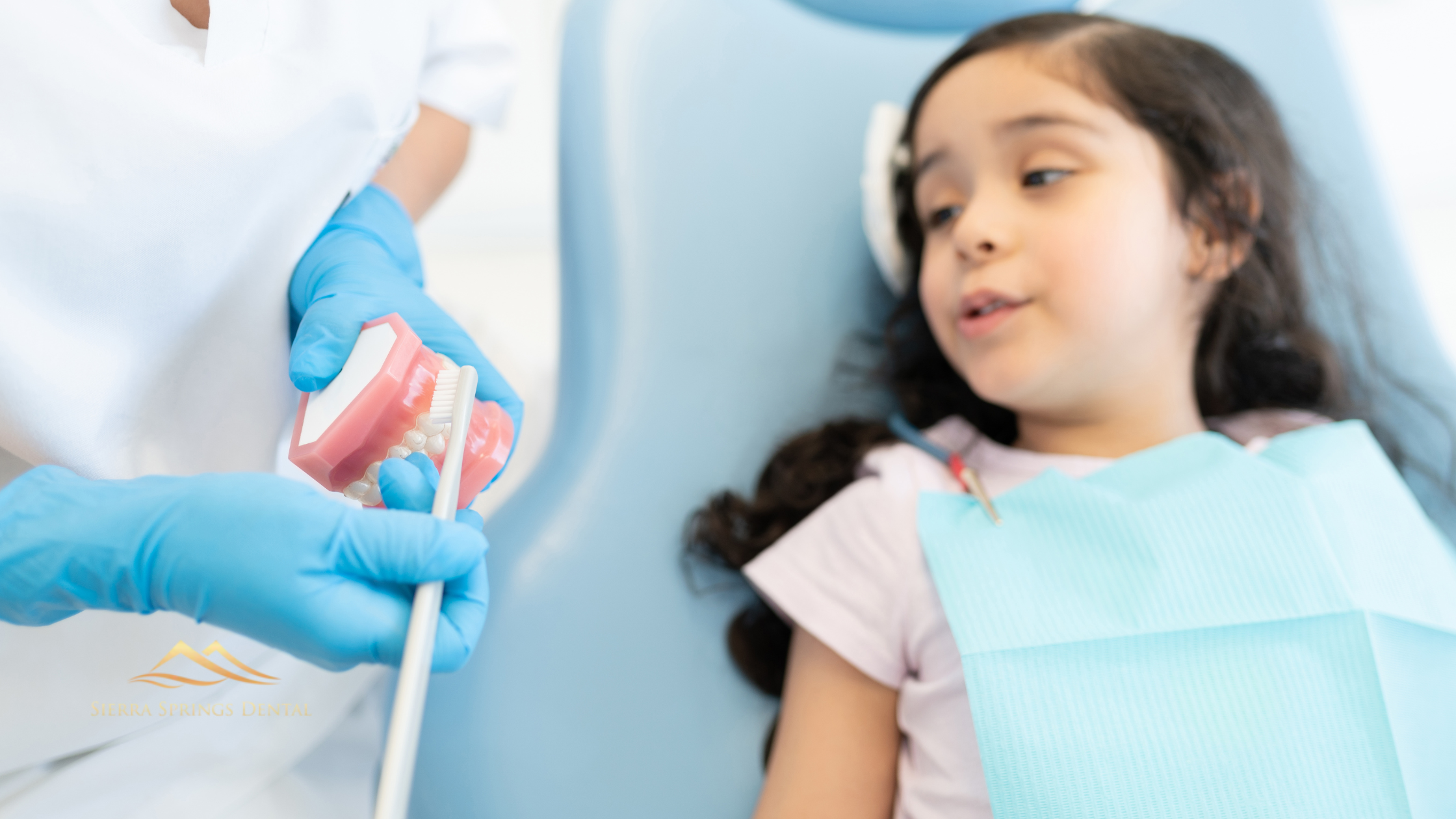
Just like any learned skill, mastering the ideal brushing technique is essential for maintaining optimal oral health. Dentists emphasize the importance of using the right method to ensure that your teeth remain clean and your gums healthy.
In this post, you will learn the recommended brushing technique that can help you prevent cavities and gum disease while achieving a brighter smile. Understanding these guidelines can improve your daily routine and enhance your overall dental care.
Key Takeaways
- Hold your toothbrush at a 45-degree angle to your gums to effectively remove plaque without harming gum tissue.
- Use gentle, circular motions to clean your teeth and gums—avoid aggressive scrubbing.
- Brush for at least two minutes twice a day to ensure thorough cleaning and long-term oral health.
The Art of Brushing: A Dentist’s Perspective
Understanding the intricacies of brushing can transform your dental hygiene routine. Dentists recommend a systematic approach to ensure every surface of your teeth is thoroughly cleaned.
This technique involves short, gentle strokes with the toothbrush held at a 45-degree angle to the gum line.
By focusing on each quadrant of the mouth for at least 30 seconds, you can achieve comprehensive plaque removal.
Consistency matters; aim for two minutes of brushing twice a day to maintain optimal oral health.
“Think of your mouth as having four equal zones and give each its due attention. This quadrant approach ensures you’re not rushing—and helps prevent areas from being missed.” – Dr. Wayne Young, Dentist in Airdrie, AB
Recommended Techniques and Tools
Selecting the right tools can enhance your brushing technique. A soft-bristled toothbrush is often preferred, as it effectively removes plaque without damaging your enamel or gums.
Electric toothbrushes can be beneficial, too, with built-in timers that ensure you’re brushing for the recommended duration. Pair your toothbrush with fluoride toothpaste to bolster your defense against cavities.
Moreover, consider using a tongue scraper to eliminate bacteria from your mouth—many overlook this vital step in their oral care routine. Look for a toothbrush with the Canadian Dental Association (CDA) Seal of Recognition to ensure it meets safety and effectiveness standards.
Common Myths Debunked
A common myth is that brushing harder leads to cleaner teeth, but this can actually damage gum tissue and wear down enamel, increasing the risk of sensitivity and decay. Another misconception is that mouthwash can replace brushing and flossing; while it can freshen breath, it lacks the mechanical action needed to remove plaque.
“Your gums are more delicate than most people realize—gentle pressure with a soft-bristled brush actually works better to clean teeth while avoiding unnecessary harm.” – Dr. Wayne Young, Dentist in Airdrie, AB
Similarly, brushing alone cannot replace flossing, as toothbrushes often miss the tight spaces between teeth.
Timing Matters: The Optimal Brushing Schedule
Aligning your brushing routine with your daily schedule significantly enhances your oral health. Dentists recommend brushing twice a day—once in the morning and once before bed—to effectively combat plaque buildup and maintain a healthy mouth.
Brushing at the right times helps remove food particles and protects your teeth from decay throughout the day and night.
“Timing your brushing to fit your meal schedule can make a big impact. Waiting 30 minutes after eating—especially acidic foods—helps protect against enamel erosion.” – Dr. Wayne Young, Dentist in Airdrie, AB
Morning vs. Night: When Should You Brush?
Brushing in the morning is vital for removing the plaque collected overnight, while brushing before bed helps eliminate food particles and bacteria accumulated throughout the day. Many dental professionals advocate for the night brushing session as the most vital, as it prevents the bacteria that thrive in your mouth during sleep from causing damage.
The Right Duration: How Long is Long Enough?
Effective brushing requires dedicating enough time to each area of your mouth. Aim for at least two minutes per brushing session to achieve thorough plaque removal and maintain your dental health.
This duration ensures that each tooth is given proper attention, reducing the likelihood of cavities and gum disease.
Many studies support the two-minute guideline, showing that individuals who brush for this duration have a significantly lower incidence of dental issues. You can use a timer or invest in an electric toothbrush with a built-in timer to help you keep track.
Additionally, divide your mouth into quadrants and spend about 30 seconds on each, ensuring an even and comprehensive clean that doesn’t miss any areas. Consistency with this duration will make a noticeable difference in your dental health over time.
The Canadian Dental Association also recommends brushing for at least two minutes to ensure effective plaque removal and gum protection.
Mastering Motion: The Science Behind Effective Brush Strokes
Your brushing technique can significantly impact your oral health. Dentists recommend specific motions to maximize plaque removal and promote gum health.
Mastering the right movements can lead to cleaner teeth and fresher breath. Utilizing gentle, repetitive strokes while maintaining consistent pressure will make a noticeable difference.
Targeting each section of your mouth methodically ensures that no spot is overlooked. This helps you achieve a thorough clean each time you brush.
The Circular and Vibrating Techniques
Circular and vibrating techniques are favored among dental professionals for their effectiveness in plaque removal. By employing small circular motions, you allow the bristles to reach deep into the gum line and between teeth.
Vibrating brushes, particularly electric ones, can enhance this motion, ensuring thorough cleaning with minimal effort. Both techniques can significantly reduce wear on enamel while enhancing gum health, making them ideal choices for your daily dental routine.
Directional Approaches: Inside, Outside, and Chewing Surfaces
Adopting distinct directional approaches for different tooth surfaces is key to effective brushing. Focus on the inside surfaces of your teeth (facing the tongue) with angled strokes, while the outer surfaces require firm, sweeping motions.
For the chewing surfaces, use a back-and-forth scrubbing motion to lift debris and remove bacteria effectively, ensuring your cleaning is comprehensive and efficient.
Addressing each area of your mouth with purpose will enhance the efficacy of your brushing routine. Start with the inner surfaces by angling your brush at a 45-degree angle towards the gum line to ensure bristles penetrate below.
Switch to the outer surfaces using slight pressure and sweeping strokes from the gum line towards the biting edge of the teeth. Use a gentle scrubbing motion on chewing surfaces to lift food particles and plaque.
By differentiating your technique based on tooth surface, you can achieve a complete clean and promote overall oral health.
Tailoring Your Technique: Customizing for Individual Needs
Personalizing your brushing technique can enhance your oral health, allowing you to address specific dental concerns. Factors such as age, dental devices, and individual health conditions should guide your approach.
Make sure to use fluoride toothpaste approved by the CDA, especially for children and seniors, to strengthen enamel and prevent decay.
Special Considerations for Children and Seniors
Both children and seniors face unique challenges when it comes to dental care. For children, guiding their brushing technique is vital for fostering good habits, while seniors may need to adapt to changes in dexterity or oral health.
Using softer bristle brushes and fluoride toothpaste can make the experience more effective and enjoyable for these age groups.
Adapting Techniques for Braces and Other Dental Devices
Braces and other dental devices require a specialized brushing approach to maintain oral hygiene. Focus on brushing around brackets and wires from multiple angles to dislodge food and plaque.
Employing an interdental brush or floss threaders can also enhance your routine, targeting areas that standard toothbrushes might miss and preventing cavities.
When wearing braces, adjusting your brushing technique can make a significant difference in oral health. Use an electric toothbrush if possible, as they may effectively remove plaque and can be easier to maneuver around complex wire systems.
Aim for a 45-degree angle against the gum line, moving gently in circular motions. Spend extra time on each quadrant of your mouth, and don’t overlook cleaning along the gum line and between teeth.
Regular visits to your orthodontist will help ensure that your methods remain effective as you progress through treatment.
New Trends in Dental Hygiene: Innovations That Matter
Staying updated with the latest trends in dental hygiene can optimize your oral care routine. From eco-friendly materials to advanced subscription services, innovations are enhancing how you maintain your oral health.
One notable trend includes personalized toothpaste formulas that cater to your individual needs, addressing everything from sensitivity to whitening. Smart toothbrushes with Health Canada-approved safety features are increasingly popular for both children and adults.
These advancements not only improve efficacy but also make oral care more engaging and accessible.
Electric vs. Manual: Which Is Best for You?
Deciding between an electric or manual toothbrush often comes down to personal preference and specific dental needs. Electric toothbrushes can be particularly beneficial for those with limited dexterity, as they provide built-in timers and different brushing modes.
Studies have shown that they can reduce plaque and gingivitis more effectively than manual brushes. However, if you prefer a hands-on approach or are comfortable with your technique, a manual toothbrush can also yield excellent results when used correctly.
The Role of AI and Smart Technology in Brushing
Integrating artificial intelligence and smart technology into your brushing routine can enhance your dental hygiene significantly. Smart toothbrushes track your brushing habits, providing real-time feedback through mobile apps.
They can identify areas you might be neglecting and suggest improvements tailored to your specific oral care practices. This technology helps you develop better habits over time, making your daily routine more efficient and effective.
Some models even gamify brushing to encourage consistency—especially effective for children developing good habits early on. By utilizing interactive features like scoring systems or rewarding milestones, they encourage consistent brushing habits, especially in children.
These gadgets can sync with the systems of your dentist when used in conjunction with data tracking, enabling a more cooperative approach to your oral health. Investing in such technology can ultimately lead you to a healthier smile.
Conclusion
Now that you understand the ideal brushing technique according to dentists, it’s necessary to integrate this knowledge into your daily routine. Use a soft-bristled toothbrush and brush your teeth at a 45-degree angle in small circular motions.
Make sure to cover all surfaces of your teeth and spend at least two minutes brushing twice a day. This technique will help you maintain optimal oral health, preventing cavities and gum disease while promoting a brighter smile.
Prioritize consistent and proper brushing techniques to maintain excellent oral health and reduce the risk of dental issues over time.
Ready to Perfect Your Brushing Technique?
Even the smallest improvements in your daily brushing routine can make a big difference in your oral health. If you’re unsure whether your technique is helping or harming your teeth, the team at Sierra Springs Dental is here to help.
Visit us at 2821 Main St S #103, Airdrie, AB, or contact us today to book your dental check-up and get personalized tips from our friendly dental professionals.
Reviewed by: Dr. Wayne Young
Have Questions? We Are Here to Help.
Our team at Sierra Springs Dental is ready to answer your questions and provide the care you need.