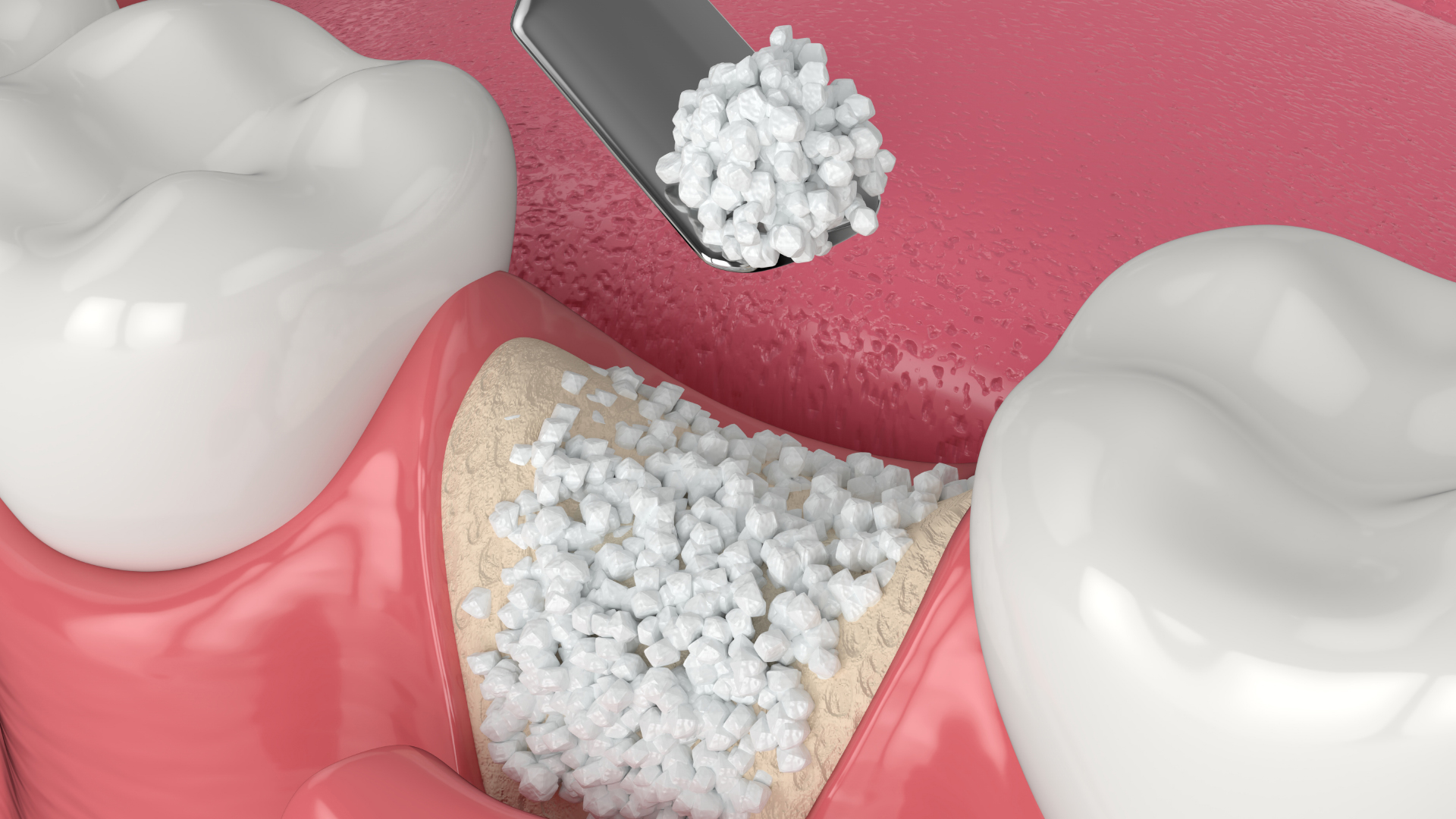
Dental bone grafting is a common procedure used to restore bone loss caused by a variety of factors such as tooth loss, injury, or periodontal disease. This procedure involves taking bone from one area of the body and placing it in the affected area of the jaw to promote new bone growth. While bone grafting has been proven to be an effective solution for restoring bone, the safety of the procedure is often a concern for many patients. With the rise in popularity of dental bone grafting, it is important to understand the potential risks and benefits of this procedure.
Dental bone grafting is a common and safe procedure when performed by a qualified and experienced oral surgeon or periodontist. It is used to restore bone that has been lost due to tooth extraction, gum disease, trauma, or other dental conditions. Bone grafting is often necessary to provide a stable foundation for dental implants or to support dentures and bridges.
Here are some key points to consider regarding the safety of dental bone grafting:
- Qualified Professionals:
Dental bone grafting should be performed by skilled oral surgeons or periodontists who have extensive training and experience in the procedure. Choosing a qualified dental professional significantly enhances the safety of the procedure.
- Biocompatible Materials:
Bone grafts can be sourced from the patient’s own body (autograft), from a donor (allograft), or from synthetic materials (alloplastic graft). These materials are biocompatible, meaning they are well-tolerated by the body and pose minimal risk of rejection or adverse reactions.
- Sterile Environment:
Dental procedures, including bone grafting, are performed in a sterile environment. Strict infection control measures are followed to minimize the risk of infections or complications.
- Local Anesthesia:
The procedure is usually done under local anesthesia, ensuring that the patient does not experience pain during the surgery.
- Pre- and Post-Operative Care:
Patients are provided with specific pre-operative and post-operative care instructions to promote healing and reduce the risk of complications. Following these instructions is crucial for a successful outcome.
- Risk of Complications:
While dental bone grafting is generally safe, as with any surgical procedure, there are risks of complications. These can include infection, swelling, bruising, or discomfort. Serious complications are rare but can include nerve damage or graft rejection.
- Patient Health Assessment:
Before the procedure, the oral surgeon assesses the patient’s overall health and medical history to ensure they are suitable candidates for the surgery. Certain medical conditions or medications might impact the safety and success of the procedure.
- Follow-up and Monitoring:
Patients are typically scheduled for follow-up appointments to monitor the healing process and address any concerns promptly.
It’s essential for patients to discuss any concerns they have about the procedure with their Airdrie dentist and surgeon. With proper patient care, dental bone grafting is generally considered safe and effective for restoring lost bone and supporting various dental treatments.
At Sierra Springs Dental, we offer bone grafting as part of our restorative care. If you want to schedule a consultation, contact us at (403) 945-4555.
Have Questions? We Are Here to Help.
Our team at Sierra Springs Dental is ready to answer your questions and provide the care you need.