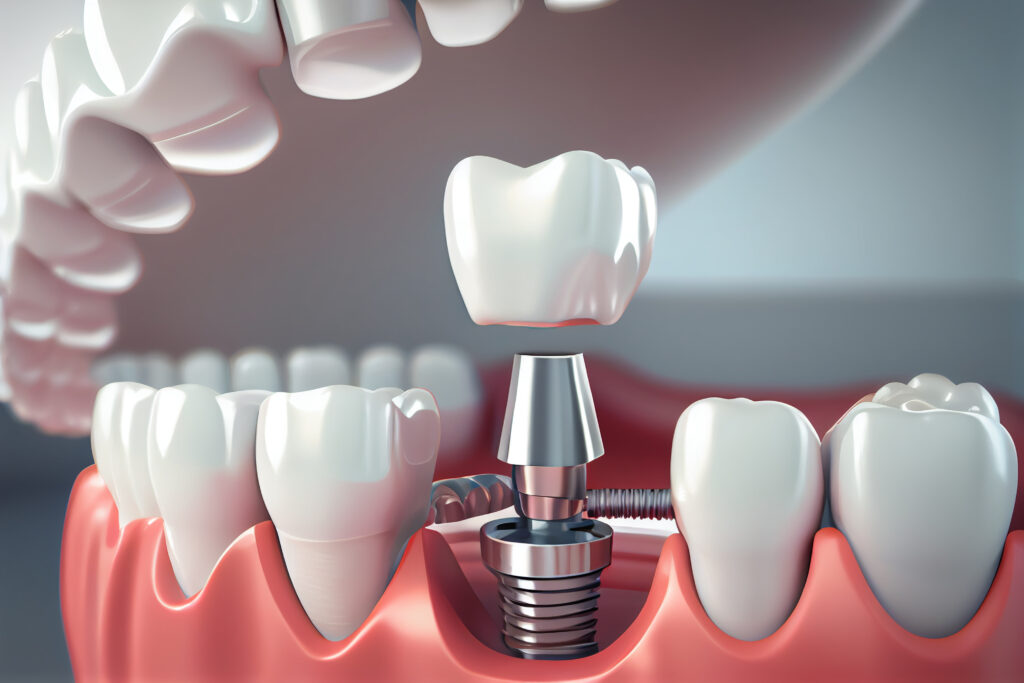
Dental implants have become a popular solution for individuals with missing teeth, offering a permanent replacement option that looks and feels like natural teeth. However, there is still some confusion and uncertainty surrounding the longevity of dental implants. Are they truly permanent or will they require maintenance and replacements over time? This question is one that is frequently asked by patients considering dental implants as a solution for their missing teeth.
Dental implants are considered a permanent solution for tooth replacement. Unlike removable dentures or dental bridges, dental implants are designed to be a long-term and often lifelong solution for replacing missing teeth.
Here’s why dental implants are considered permanent:
- Integration with Jawbone: Dental implants are made of biocompatible materials like titanium. During a process called osseointegration, the implant fuses with the jawbone, creating a stable and strong foundation. This integration is what makes dental implants a permanent fixture in the mouth.
- Durability: Dental implants are incredibly durable and resistant to decay. With proper care, they can last for decades or even a lifetime. The crown, bridge, or denture attached to the implant might need replacement over the years due to wear and tear, but the implant itself remains in place.
- Functionality: Dental implants function just like natural teeth. Patients can eat, speak, and smile with confidence, similar to having natural teeth. This functionality is maintained over the long term, contributing to their permanence.
- No Risk of Cavities: Unlike natural teeth, dental implants cannot develop cavities. As a result, they do not face the same decay-related issues that can affect natural teeth over time.
- Regular Dental Check-ups: While the implant itself is permanent, it’s essential to maintain regular dental check-ups to ensure the health of the surrounding gums and supporting structures. Good oral hygiene practices and regular professional cleanings help in the longevity of dental implants.
It’s important to note that the long-term success of dental implants depends on factors such as proper oral hygiene, overall health, and the expertise of the dental professional placing the implant. Additionally, candidates for dental implants should have healthy gums and adequate bone density to support the implant. If these conditions are met, dental implants can provide a reliable and permanent solution for missing teeth.
Have Questions? We Are Here to Help.
Our team at Sierra Springs Dental is ready to answer your questions and provide the care you need.