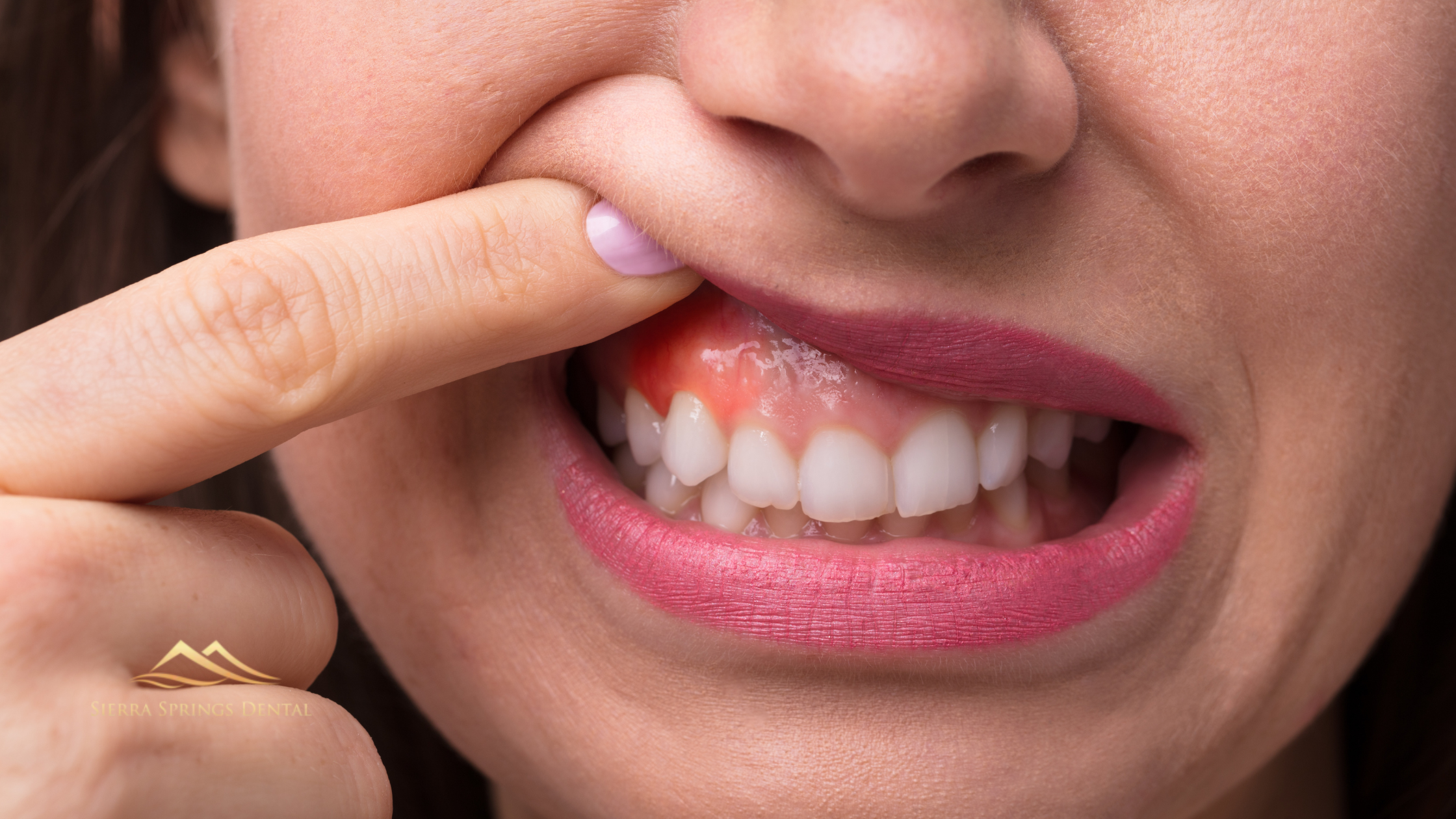
You may have heard that receding gums can lead to various dental issues, but did you know that certain non-surgical options could help manage or even partially reverse this condition? Understanding the nature of gum recession and exploring available treatments can empower you to take charge of your oral health.
In this blog post, we’ll examine non-surgical methods that may aid in restoring your gums and improving your overall dental wellness. Let’s uncover the possibilities together.
Key Takeaways
- Non-surgical treatments like scaling and root planing can help slow or stabilize gum recession, and in some cases promote partial tissue reattachment.
- Proper oral hygiene, including gentle brushing and the use of the right toothpaste, can prevent further gum loss.
- Gum grafting procedures, albeit not non-surgical, serve as an effective option when tissue loss has progressed.
The Biological Mechanism of Gum Recession
Gum recession occurs when the gum tissue surrounding your teeth wears away, exposing more of the tooth’s root. This process can lead to increased sensitivity, a higher risk of decay, and aesthetic concerns.
“Early signs of gum recession, such as increased tooth sensitivity or visible root exposure, should prompt a visit to your dentist—these symptoms are typically easier to manage when caught early.” – Dr. Wayne Young, Dentist in Airdrie, AB
Biologically, the recession is linked to a combination of factors including inflammation, bacterial infections, and the gradual loss of supportive tissues that hold the gums in place. Understanding these underlying mechanisms can help emphasize the importance of preventive care and timely treatment.
Understanding the Causes of Gum Recession
Several factors can lead to gum recession, including periodontal disease, aggressive brushing, hormonal changes, and genetic predisposition. Bruxism, or chronic teeth grinding, can also contribute by putting excess pressure on gum tissue.
Lifestyle choices such as smoking and poor nutrition can also contribute significantly.
Each cause affects the gums differently, highlighting why individualized assessment and care are vital for effective prevention and treatment.
The Role of Oral Hygiene in Gum Health
Your oral hygiene plays a pivotal role in maintaining gum health and preventing recession. Regular brushing, flossing, and professional cleanings help eliminate plaque and tartar buildup, which are primary contributors to gum disease.
“Think of gum health as the foundation for your smile—consistent oral hygiene habits act like sturdy pillars, ensuring your teeth and gums stay strong and resilient over time.” – Dr. Wayne Young, Dentist in Airdrie, AB
Investing in a good toothbrush and using antibacterial mouthwash can enhance your daily routine, creating a protective barrier against harmful bacteria that can lead to inflammation and recession.
Implementing an effective oral hygiene routine is more than a matter of aesthetics; it directly impacts your overall gum health. Daily brushing with fluoridated toothpaste helps maintain enamel health and reduce plaque, indirectly supporting gum health, while flossing effectively removes food particles and plaque from between the teeth, areas that are otherwise hard to reach.
Regular dental check-ups allow for professional cleanings that remove accumulated tartar, helping to prevent gum disease from taking root. By prioritizing these practices, you create a supportive environment for your gums, potentially reversing early stages of recession and safeguarding your smile for years to come.
Non-Surgical Interventions: What Are Your Options?
Several non-surgical interventions can help manage and potentially reverse receding gums. Options including deep cleaning techniques, the introduction of natural remedies, and lifestyle modifications can contribute to gum health.
Consulting with your dental professional is important to determine the most suitable approach based on the severity of your gum recession. In Canada, these non-surgical options are commonly offered through general dentists and periodontists, often covered under extended dental benefits.
Natural Remedies for Receding Gums
While natural remedies like aloe vera, green tea, and essential oils (such as tea tree oil) have shown anti-inflammatory properties in some studies, their effectiveness in reversing gum recession remains limited and should not replace professional dental care.
The Efficacy of Deep Cleaning Techniques
Deep cleaning techniques, particularly scaling and root planing, target plaque and tartar buildup below the gum line. This professional cleaning process removes harmful bacteria and smooths the root surfaces, allowing gums to reattach and heal more effectively.
Many dental professionals report significant improvement in gum health and reduced recession markers following deep cleaning interventions. While deep cleaning improves gum health and reduces recession progression, it does not regenerate lost gum tissue in most cases.
In a study conducted by the Journal of Periodontology, patients who underwent scaling and root planing observed a marked decrease in pockets around teeth and enhanced overall gum attachment. This form of deep cleaning is particularly beneficial for individuals who struggle with periodontal disease.
Regular maintenance sessions can further bolster your gum health, making this intervention a key player in non-surgical management of gum recession.
The Role of Lifestyle Changes in Reversing Gum Recession
Making certain lifestyle changes can significantly contribute to reversing gum recession. Focus on improving your daily habits, as well as committing to regular dental care.
These adjustments enhance your oral health and boost your overall well-being, contributing to healthier gums and slowing the progression of recession. By emphasizing wellness in various aspects of life, you position yourself favorably in the fight against gum issues.
Nutritional Strategies to Promote Gum Health
To enhance gum health, incorporate a diet rich in vitamins and minerals, especially vitamin C and calcium. Vitamin D, found in fortified milk and sunlight exposure, also plays a role in bone and periodontal health.
Foods like leafy greens, dairy products, nuts, and citrus fruits support gum tissue health and bolster your immune system.
Regular hydration also plays a vital role, as it helps wash away bacteria and food particles, minimizing plaque accumulation. A sound nutritional plan can serve as your primary defense against gum recession.
Habits to Eliminate for Effective Gum Care
Eliminating certain habits is necessary for maintaining gum health and mitigating receding gums. Smoking, excessive alcohol consumption, and poor oral hygiene must be addressed to see any improvement.
“Quitting smoking isn’t just beneficial for your lungs; it significantly reduces the risk of gum recession, allowing your gum tissue a better chance to heal and thrive.” – Dr. Wayne Young, Dentist in Airdrie, AB
These behaviors contribute to inflammation, worsen plaque buildup, and compromise the body’s ability to heal. Focusing on cleaner habits can lead to improved oral health and increased gum stability.
Specifically, smoking is a significant factor that contributes to the deterioration of gum health. Research has shown that smokers are more likely to develop gum disease, making it necessary to quit for your gum health.
Similarly, excessive consumption of sugary foods and drinks can lead to increased plaque and tartar formation, further compounding gum issues. Ensuring you brush and floss regularly while also avoiding these detrimental habits fortifies your gum care efforts and aids in reversing recession effectively.
The Psychological Aspect: Patient Motivation and Compliance
Canadian dentists typically recommend a tailored approach, combining at-home care with regular hygiene appointments and adjunctive therapies when indicated. When you believe that you can improve your gum health, you’re more likely to commit to the necessary lifestyle changes and dental care practices.
Patients with a positive outlook often experience better outcomes because they take proactive steps in their care routine, attend regular dental appointments, and adhere to recommended treatments. Regular education from dental professionals also reinforces motivation and compliance with at-home care routines.
Expert Insights: What Dentists Really Recommend
Dental professionals highlight the importance of early intervention for receding gums. A comprehensive dental examination can reveal underlying issues such as periodontal disease.
Many dentists advocate for a tailored approach, combining good oral hygiene practices with professional cleanings and possible adjunct therapies. Dentists emphasize that a proactive stance is key, and seeking regular check-ups will enable you to catch any signs of gum recession early, increasing your chances of successful management.
Top Non-Surgical Treatments Endorsed by Professionals
Among the non-surgical treatments recommended by dentists, scaling and root planing stand out, effectively removing plaque and tartar from below the gum line. Additionally, controlled-release antibiotic treatments can combat bacterial infections at the gum’s root.
Using antimicrobial mouth rinses or specially formulated pastes can further support your gum health. Dentists often suggest incorporating these treatments with periodical follow-ups to monitor your progress and adjust your routine as necessary.
Future Trends in Non-Invasive Gum Treatment
Innovations in dental technology are paving the way for improved non-invasive approaches to treating receding gums. Methods such as laser therapy for gum regeneration and bioengineering techniques to promote tissue growth are gaining traction.
These advancements minimize discomfort during treatment and enhance healing, making recovery quicker and more efficient for patients. As research continues to evolve, you may soon see a rise in personalized treatment plans based on genetic factors, allowing for even more effective gum care strategies.
The future of non-invasive gum treatment holds exciting possibilities, with emerging technologies focusing on biologically compatible materials that encourage gum tissue regeneration. Clinical trials are being conducted on stem cell therapies that could ultimately restore gum tissue to its natural state.
Additionally, advancements in tele-dentistry could ensure you have easier access to expert opinions and guidance. As more options become available, maintaining optimal gum health will become more effective and accessible than ever.
Final Words
With these considerations in mind, you can explore various non-surgical options to potentially reverse receding gums. Proper oral hygiene, such as regular brushing and flossing, along with professional cleanings, can help improve your gum health.
Additionally, treatments like scaling and root planing or the use of antimicrobial mouth rinses, such as chlorhexidine, may be beneficial depending on your diagnosis. It’s important to consult your dentist to determine the most effective approach tailored to your specific needs.
Taking proactive steps can lead to significant improvements in your gum condition and overall oral health.
Take the First Step Toward Healthier Gums
Concerned about gum recession? Non-surgical treatments may be the solution you need to protect your smile and restore your gum health. At Sierra Springs Dental in Airdrie, our team offers personalized care to help you manage gum recession before it progresses.
Book your consultation today or visit us at 2821 Main St S #103—we’re here to help you smile with confidence.
Reviewed by: Dr. Wayne Young
Have Questions? We Are Here to Help.
Our team at Sierra Springs Dental is ready to answer your questions and provide the care you need.