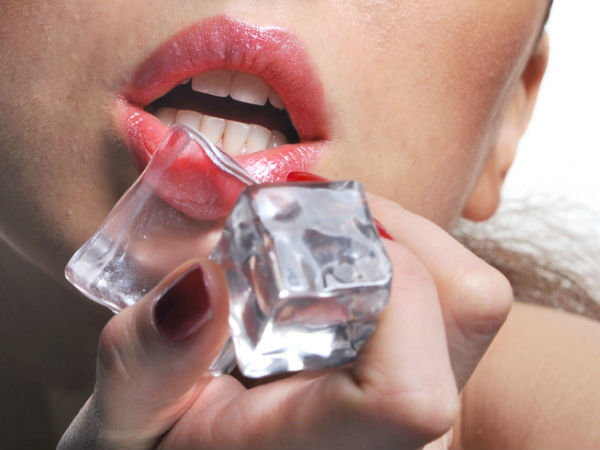
Dental health is often overlooked in our daily routines, but it plays a crucial role in our overall well-being. While most of us are aware of the importance of avoiding sugary foods and practicing good oral hygiene, there is one seemingly harmless habit that can have detrimental effects on our teeth – eating ice. Many people enjoy crunching on ice cubes, especially during hot summer days, but this seemingly harmless treat can actually be damaging to our dental health.
Chewing on ice might seem harmless, but it can actually be quite damaging to your teeth. Here’s why eating ice is bad for your dental health:
- Hardness and Brittle Nature:
- Ice is extremely hard and brittle. When you chew on it, or even crunch down on it unexpectedly, it can cause teeth to crack or chip. This can lead to painful dental emergencies and the need for dental repairs.
- Temperature Sensitivity:
- Chewing on ice can exacerbate tooth sensitivity, especially if you already have sensitive teeth. The extreme cold of the ice can cause discomfort and pain in sensitive teeth.
- Wear and Tear on Dental Work:
- If you have dental work such as fillings, crowns, or braces, chewing on ice can wear down these dental appliances or even damage them, leading to the need for repairs or replacements.
- Irritation of Gums:
- Chewing on hard ice can also irritate and potentially damage your gums, leading to gum injuries and recession.
- Increased Risk of Toothaches:
- Ice can create microfractures in your tooth enamel. Over time, these tiny cracks can lead to bigger dental issues, including toothaches and cavities.
- Potential for Jaw Problems:
- Constantly crunching on hard substances like ice can strain your jaw, potentially leading to temporomandibular joint (TMJ) disorders and associated symptoms like jaw pain and headaches.
- Risk of Dental Emergencies:
- Accidentally biting down on a hard piece of ice can result in a dental emergency, such as a broken tooth or a dislodged filling.
Given these risks, it’s best to avoid chewing on ice altogether. If you have the habit of chewing ice and find it difficult to stop, consider speaking with the dentist or a healthcare professional. They can provide guidance and support to help you break this habit and protect your dental health.
Have Questions? We Are Here to Help.
Our team at Sierra Springs Dental is ready to answer your questions and provide the care you need.